ADVERTORIAL

"I Can Barely Hear the Birds in the Morning Anymore". Why a 74-Year-Old Master Craftsman Is Selling His Final Birdhouses at a Special Price Before Laying Down His Tools Forever

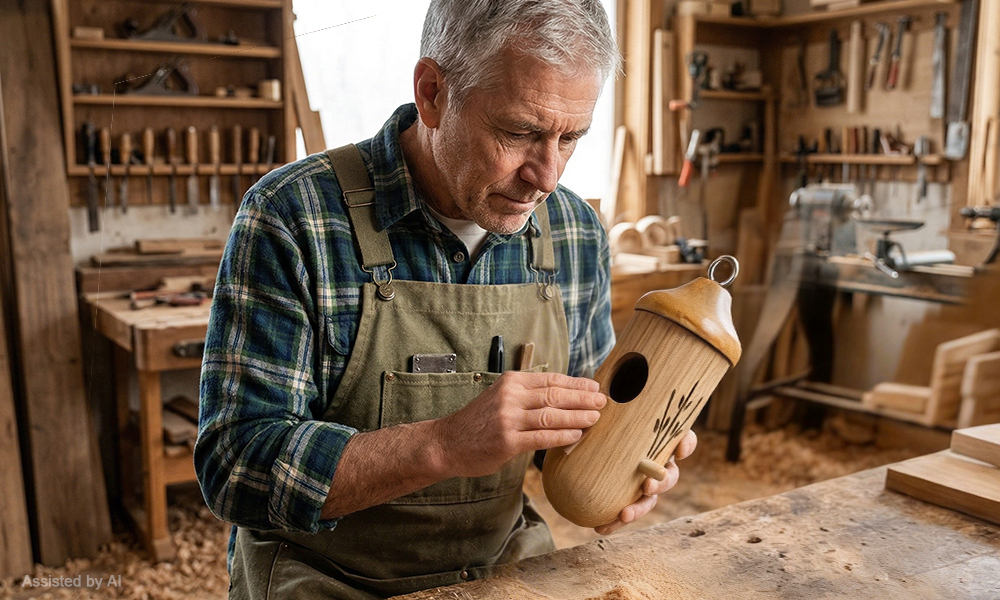
At 74, Heinrich Weller stands in his workshop in Thuringia. After 43 years, he is about to bring his life's work to an end—yet what weighs on him most is not retirement…but the fate of the birds.
Sonneberg, February. The workshop is small—no more than five by seven meters. Along the walls hang saws, planes, and carving tools—some of them once belonging to Heinrich's father. In the corner stands an old wood-burning stove, radiating a dry, steady warmth that fills the room.
On the workbench lie half-finished birdhouses: carefully planed oak side panels, and roof shingles that Heinrich is shaping piece by piece with a carving knife.
He gently runs his hand across a piece of wood he is working on.
"You know what matters most to me?" he asks without looking up.
"Not the workshop. Not retiring."
He pauses. "It's that it's getting quieter outside. Every year, quieter than the last."
He is talking about the decline of songbirds. And the data confirms what he has been witnessing for years.
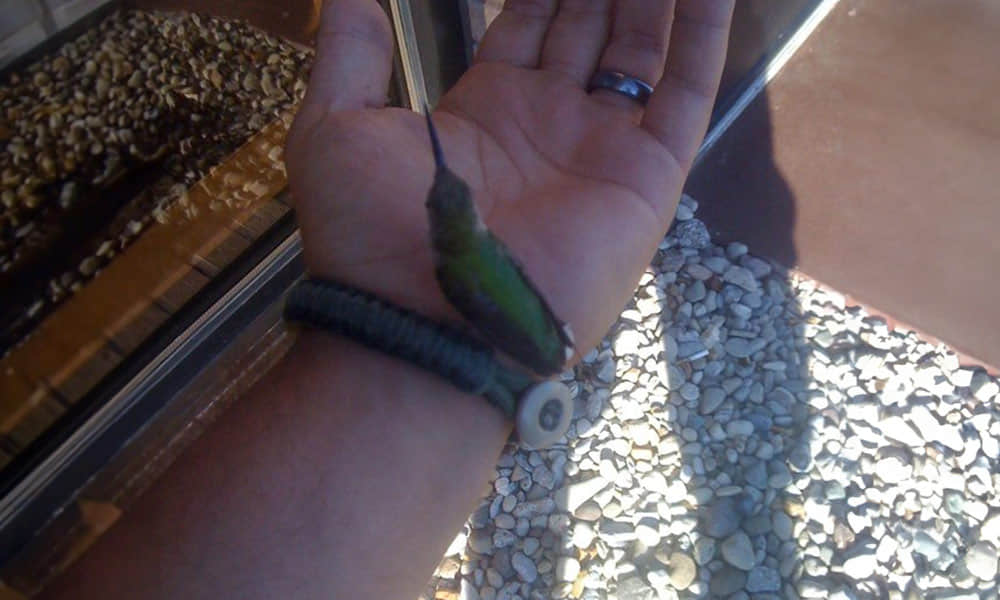
Most Garden Owners Don't Realize It—But a Quiet Decline Is Happening Right Outside Our Homes
Over the past 30 years, populations of many native songbirds have dropped dramatically. Species like tits, wrens, and redstarts—once common in nearly every garden—are now struggling to find safe places to nest.
Old trees with natural cavities are being cut down.
Hedges are replaced by fences.
Modern buildings offer fewer and fewer sheltered spaces.
But what frustrates him most is this: Most birdhouses sold today don't actually help birds at all—some of them even do more harm than good.
Eighty Percent Of Birdhouses On The Market Are Not Suitable For Birds
When asked about the ones sold in DIY stores, Heinrich was clear: "People mean well when they buy them. But what they get is just decoration—not a real home for birds."
He listed the results of his 43 years of observations:
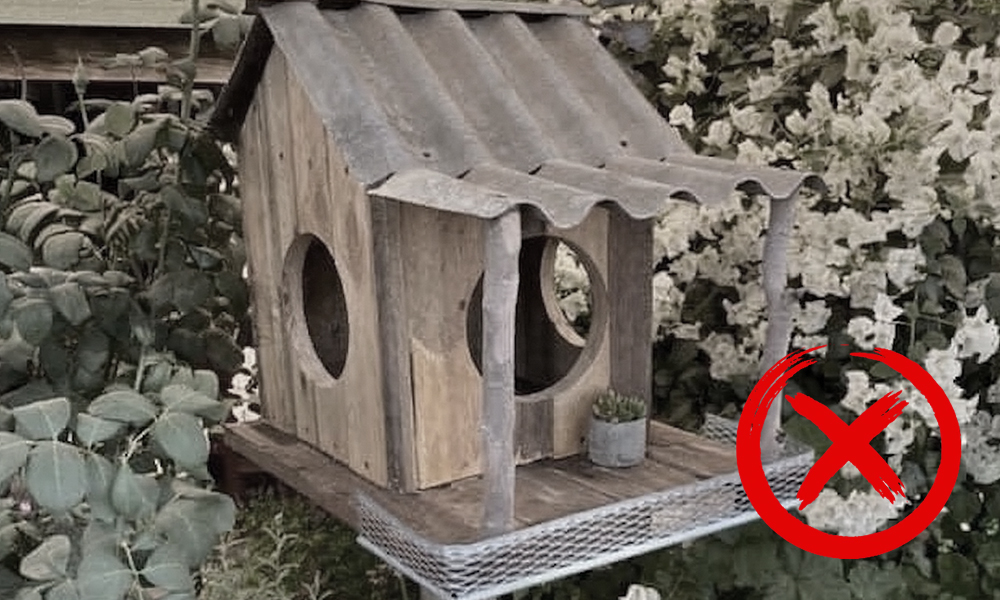
❌ Entrance holes too large. "If the opening is bigger than 34mm, sparrows and starlings can get inside and drive out smaller birds. Even worse, predators like large woodpeckers can reach the nest."
❌ Treated wood. "Many cheap birdhouses are painted or varnished and look nice in a garden. But birds are extremely sensitive to smells—they'll avoid these houses, or their chicks can get sick."
❌ Walls too thin. "Birdhouses with walls only 8–10mm thick? In winter, they're like tents—the nesting birds get cold. In summer, they turn into ovens. They're mass-produced, look fine, but are completely impractical."
❌ No ventilation, no drainage. "After each breeding season, a birdhouse must be cleaned. Old nests are full of mites and parasites. Try opening a glued-together store-bought birdhouse—it's impossible."
Heinrich shook his head. "People mean well, but they don't know what really matters—and no one has taken the time to explain it to them."
Every movement is precise—over the past 40 years, Heinrich has known every fiber of the wood intimately.
Forty-Three Years of Observation, a Lifetime of Learning — Aethoma Wooden Hummingbird House
Heinrich never just "built birdhouses." He spent decades watching and learning.
"When I was young, I started making small boxes for
hummingbirds. Very simple things. Then I observed: which
boxes were accepted, which were ignored? Why would one
hummingbird move into Box A, yet completely ignore Box B
next door?"
Thus began a decades-long experiment—right in the woods behind his workshop and in neighbors' gardens. Heinrich meticulously recorded which birdhouses were inhabited and which remained empty.
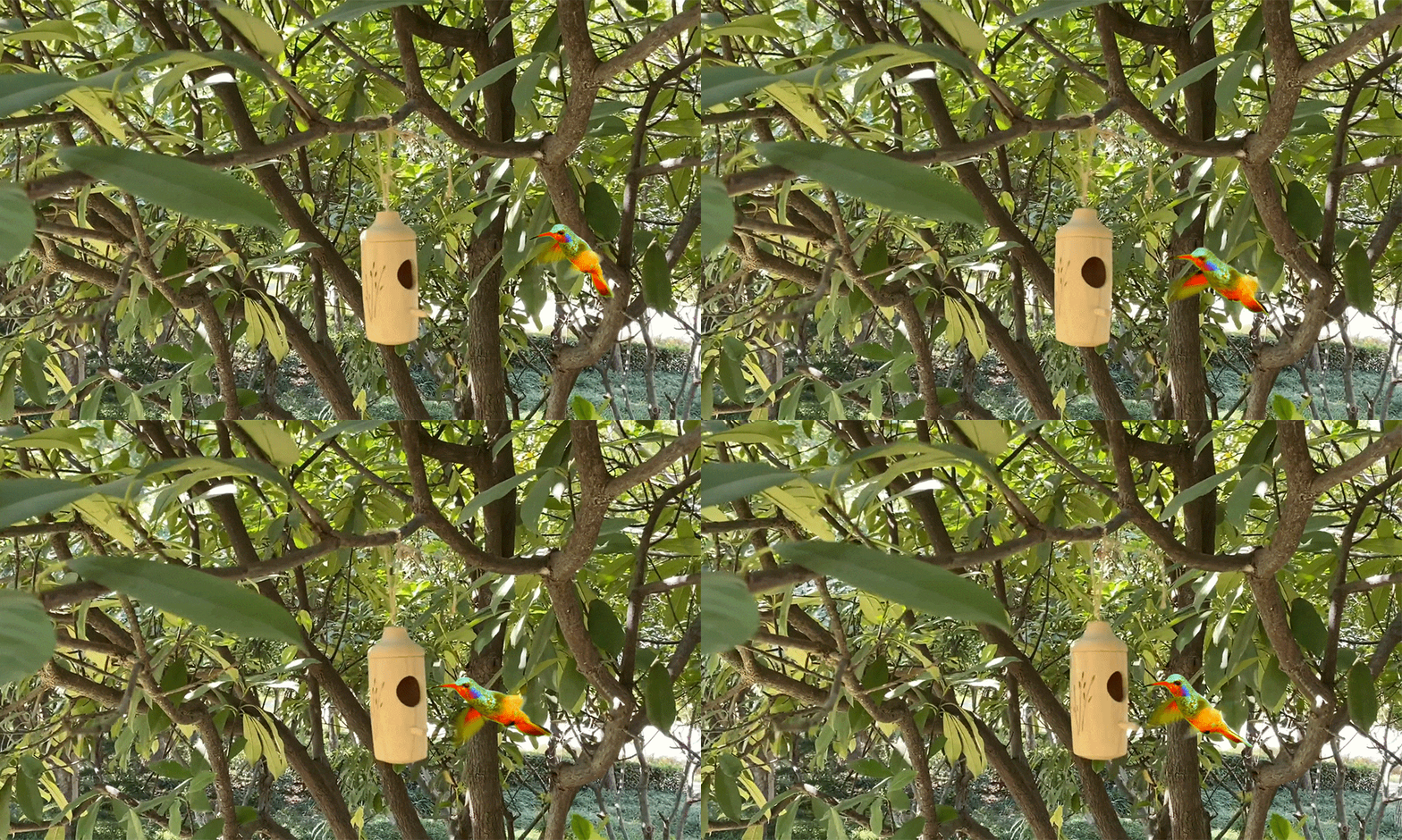
He adjusted the size, materials, and hanging height of each box. He consulted ornithologists. He read scientific studies. Over the years, it was solid knowledge—not guesswork—that led him to develop a birdhouse designed for real hummingbirds.
The final result: the
Aethoma Wooden Hummingbird House—developed through years of hands-on observation behind his
workshop.
What Makes the Aethoma Wooden Hummingbird House Truly Special
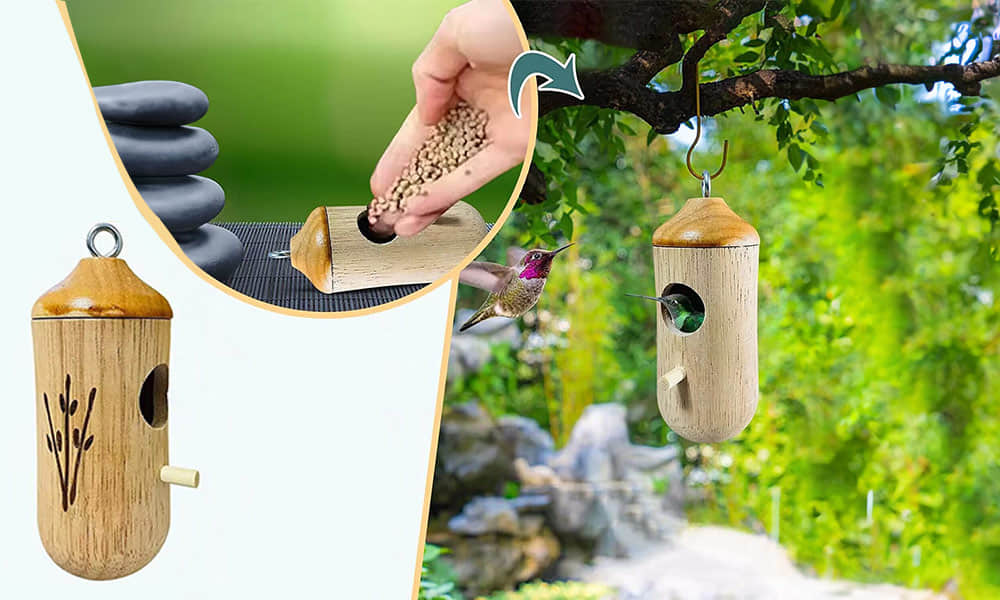
Every detail of this birdhouse is designed with
hummingbirds in mind—no extras, just what matters
most.
🌿 Perfectly Sized Entrance: Designed to allow hummingbirds to enter safely while
keeping larger, competing birds out.
🌲 Solid, Untreated Hardwood: Made
from natural, durable wood that is weather-resistant and
chemical-free, ensuring a safe and long-lasting home.
🏠 Protective Roof: Shields nests
from rain and sun while helping prevent predators from
reaching inside.
💨 Ventilated Floor: Small openings
allow airflow and moisture drainage to keep nests dry and
mold-free.
🔗 Durable Hanging Loop: Sturdy and
rust-resistant, easy to hang securely on trees, fences, or
walls.
✨ Limited Edition: Only the Final Batch
of Aethoma Wooden Hummingbird House Remains—No More Will Be
Produced Afterwards
Over Two Decades of Birds Choosing These Homes
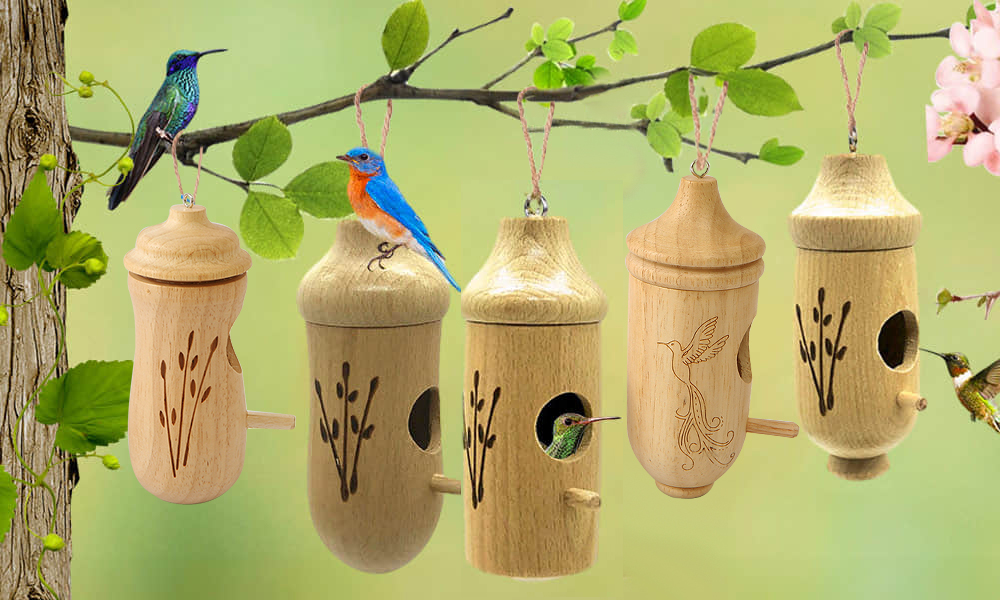
Heinrich opened a drawer and pulled out a yellowed notebook. Over the years, he had meticulously recorded which birds had nested in each house and for how long.
"This one," he said, pointing to a wooden post, "I made for a neighbor back in 2001. It's been hanging on the same old oak tree ever since. Every spring, great tits return. Year after year. Over twenty years now."
He flipped a page. "Look here: the Klaus family from Annaberg. They ordered three birdhouses from me in 2008. Last year, their daughter wrote to me saying all three are still in use. Blue tits nested in one, robins in another, and pied flycatchers in the third."
This wasn't by chance. It's the result of breathable, untreated wood, precise sizing, and durable construction—built to attract real birds, season after season.
The End of an Era—And the Last Chance
Heinrich will permanently close his workshop in the summer of 2026.
"My hands just can't do it anymore," he said, stretching his fingers. Though still strong, his hands had grown stiff—decades of physical labor had taken their toll. Arthritis in his finger joints made precise work increasingly difficult. "I can still saw wood, but fine sanding, adjusting entrance holes to the exact millimeter—that I simply can't do anymore."
He has no successor. "My son is an engineer in Munich. My grandchildren are still in school. No one wants to be a carpenter—especially not making birdhouses." He chuckled softly, but the hint of melancholy was clear. "Forty-three years. I've had wonderful times in this little workshop."
On his shelves rest the final batch of Aethoma Wooden Hummingbird House—the very last ones Heinrich will ever make.
For Me, This Is No Longer About Money—It's About the Birds
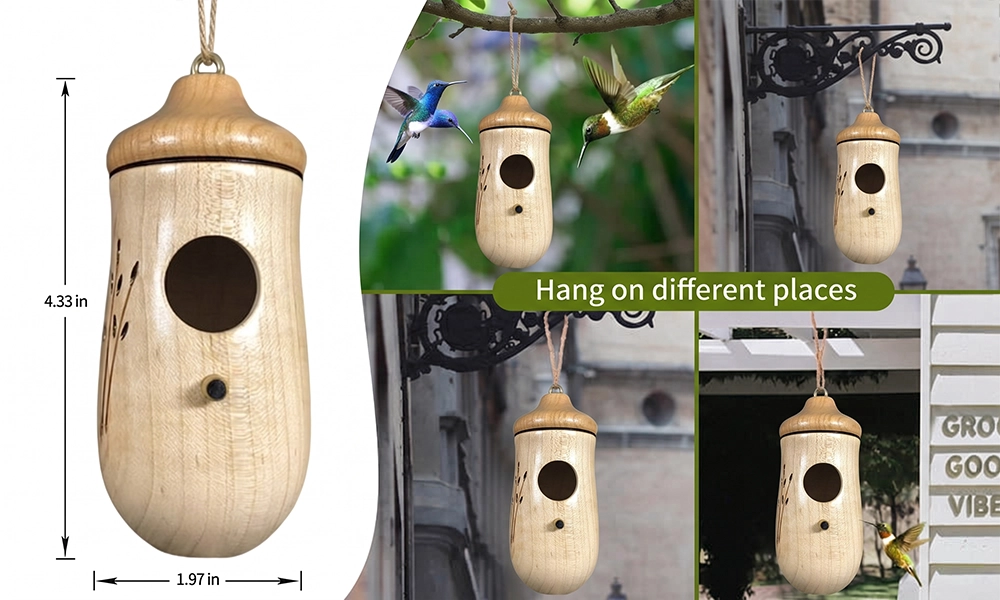
To ensure that the last few Aethoma Wooden Hummingbird Houses would be properly cared for before the breeding season, Heinrich decided to take an unusual step: he would offer them at a significantly reduced price.
I want them to hang in places where they're truly needed, cared for by people who understand why it matters. These aren't just decorations for a balcony—they're real homes for hummingbirds.
His granddaughter Mary, 26, helped him sell the birdhouses online. "At my age, I'm not very familiar with all this internet stuff," Heinrich said with a smile. "Mary set it all up for me. She said many people are looking for a place like this—they just don't know where to start."
A Gift Full of Life
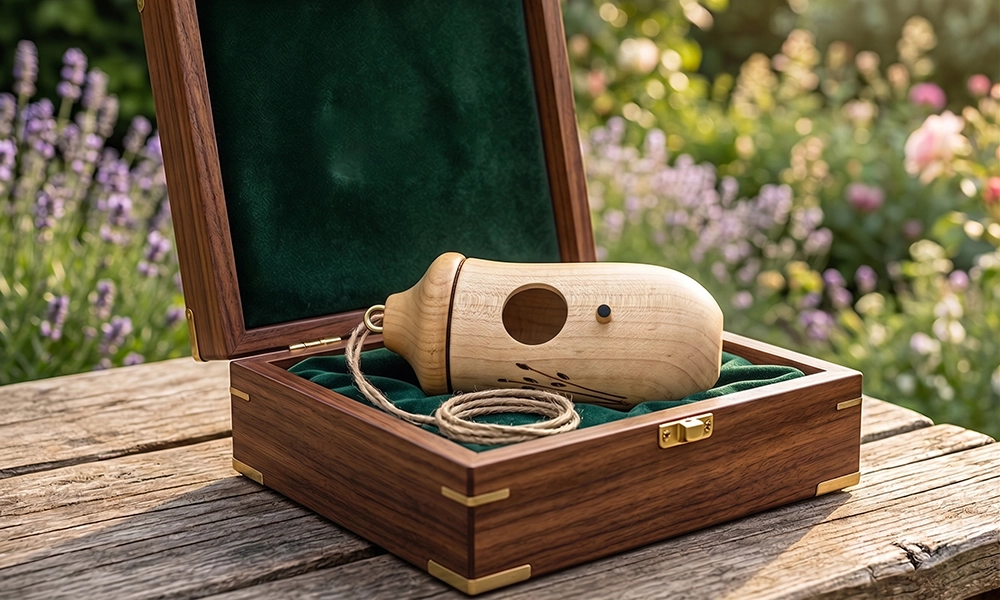
The
Aethoma Wooden Hummingbird House
isn't just a garden decoration—it's a meaningful gift for anyone who loves nature,
gardening enthusiasts, grandparents
who want to show their grandchildren the life of
hummingbirds, or simply anyone who wants to hear the
cheerful songs of birds again in the morning.
"Do you know the best part? Someone sent me a photo of a hummingbird peeking out from the Aethoma Wooden Hummingbird House in their garden. That's when I knew: it worked. The house was placed in the right spot, and slowly, the outdoors was no longer so quiet."
⚠️ Often Sold Out – Act Fast!
If you love hummingbirds and the beauty of nature, the
Aethoma Wooden Hummingbird House
is a must-have. Enjoy an up-close view of these tiny,
colorful birds right in your garden.
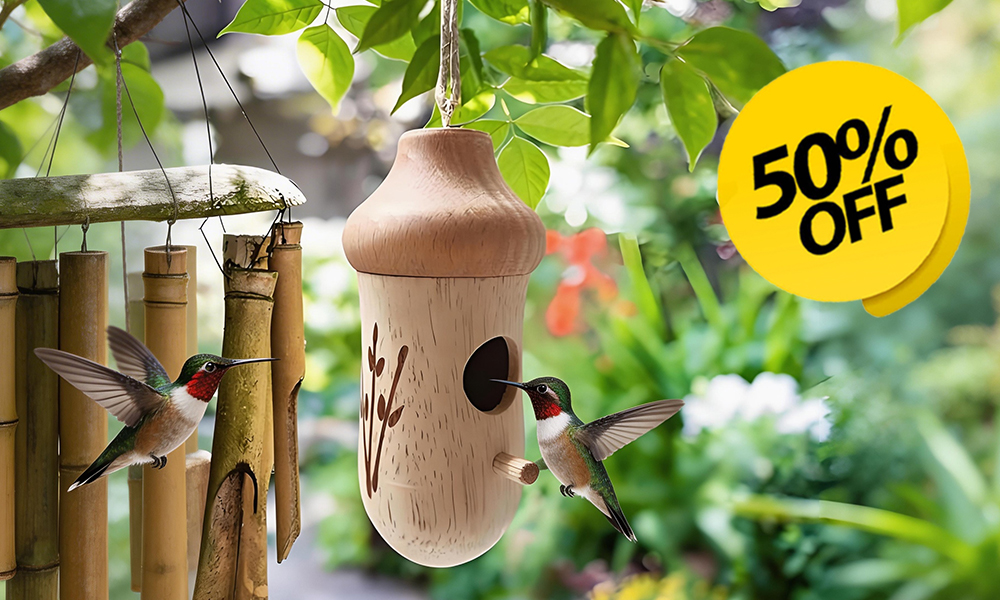
Get yours now at a special 50% OFF for first-time buyers—only $19.99! This is a rare opportunity for such a beautiful piece.
How to Order:
1. Purchase directly
from the
official website.
2. Delight your family and
friends with a gift that brings nature and joy to their home.
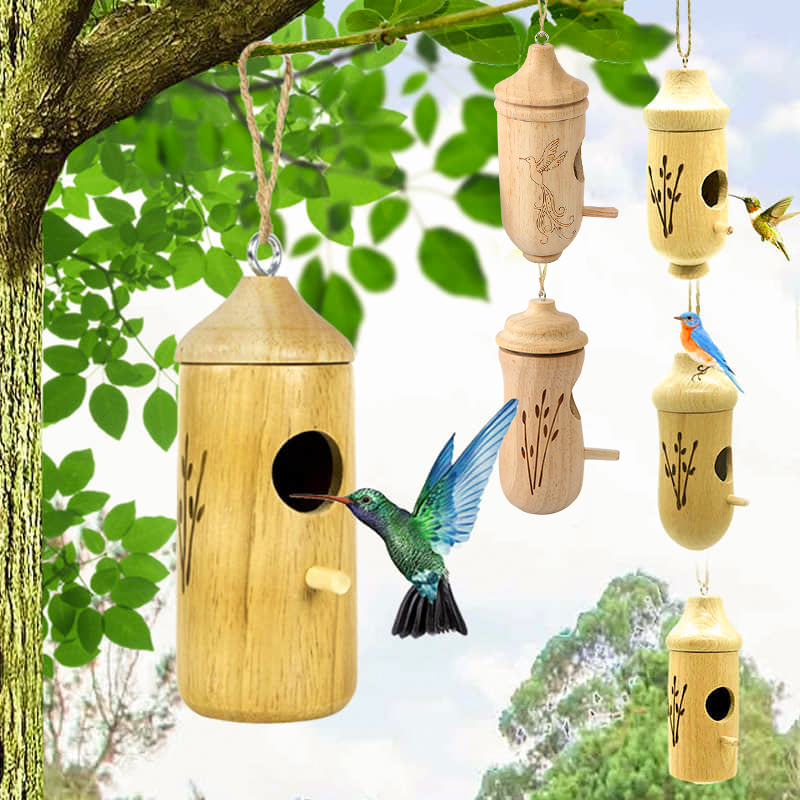
Why Everyone Loves the Aethoma Wooden Hummingbird House